I want to talk about an organ that rarely gets the attention it deserves: your liver. Most people think of it as the organ that processes alcohol, and they're not wrong — but that is a tiny fraction of what your liver does every single day. Your liver performs over 500 essential functions, including something that's absolutely critical to your menstrual health: processing and clearing your hormones.
When I work with women dealing with heavy periods, relentless PMS, hormonal acne, breast tenderness, or unexplained weight gain, the liver is almost always part of the conversation. Not because it's "toxic" and needs a cleanse, but because it's working too hard and needs more support. There's a big difference — and understanding it is the first step to actually feeling better.
Your Liver's Role in Hormone Balance
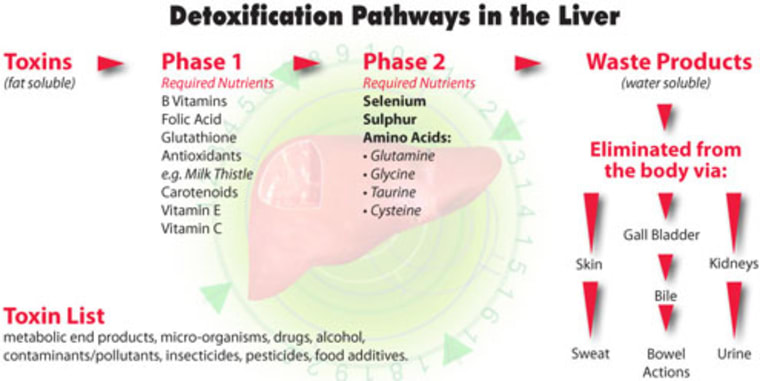
Your liver is the master processor of estrogen. Every time estrogen circulates through your bloodstream and does its job — building the uterine lining, supporting bone density, maintaining mood — it eventually needs to be deactivated and eliminated from the body. That's your liver's job.
This detoxification process happens in three distinct phases:
Phase 1: Transformation
In Phase 1, liver enzymes (primarily from the cytochrome P450 family) convert estrogen from its active form into intermediate metabolites. These intermediates are actually more reactive than the original hormone — meaning if they pile up without moving efficiently into Phase 2, they can cause damage and worsen symptoms. Phase 1 requires nutrients like B vitamins, vitamin C, vitamin E, iron, magnesium, and CoQ10 to run properly.
Phase 2: Conjugation
In Phase 2, those reactive intermediates are "conjugated" — attached to molecules like sulfate, glucuronate, or amino acids — so they become water-soluble and safe for elimination. This is where cruciferous vegetables and compounds like DIM and I3C play a starring role. Phase 2 depends heavily on B6, glycine, methionine, choline, and sulfur-rich foods.
Phase 3: Elimination (The Gut Connection)
Once conjugated, estrogen metabolites travel through bile into the intestines for elimination via bowel movements. Here's where things can go wrong: an enzyme called beta-glucuronidase — produced by certain gut bacteria when they're out of balance — can snip off that conjugation tag and release estrogen back into active form. This is called estrogen recirculation, and it's why gut health and regular bowel movements are as important to hormone balance as the liver itself.
The collection of gut bacteria that regulates this process is called the estrobolome. When your estrobolome is healthy (diverse, balanced gut flora), it helps clear estrogen efficiently. When it's disrupted — by antibiotics, poor diet, chronic stress, or dysbiosis — estrogen recirculates and accumulates.
Signs Your Liver Is Struggling to Clear Hormones
When your liver can't keep up with estrogen clearance, estrogen accumulates relative to progesterone — a pattern commonly called estrogen dominance. The symptoms are wide-ranging and often dismissed as "just normal PMS." They're not normal. They're informative:
None of these symptoms mean your liver is "failing." They mean your detoxification system is overburdened and needs more nutritional support, a lighter load, and a few targeted interventions. Let's start with what not to do.
What NOT to Do: Commercial Cleanses and Detox Teas
The bottom line on "liver cleanses": There is no peer-reviewed evidence that commercial liver cleanse kits, detox teas, juice fasts, or "reset" programs meaningfully improve liver function in healthy people. Your liver is not a filter that gets clogged and needs emptying — it's a complex, self-regenerating organ that performs chemical reactions.
Many detox teas contain laxative herbs like senna that cause diarrhea — which you might mistake for "detoxing" but is actually just intestinal irritation. Some products have caused liver damage. Others contain unlisted ingredients. They're expensive, frequently ineffective, and sometimes harmful.
What actually supports your liver is a consistent, nutrient-rich diet; reducing the substances that burden it; and targeted supplementation when indicated. There is no shortcut, but the long game is genuinely effective — and it's what the rest of this article covers.
What Actually Works: The Love Up Your Liver Protocol
Supporting your liver for better hormone balance is not a 10-day detox. It's a lifestyle shift with four pillars: food, targeted supplements, lifestyle practices, and reducing your toxic load. Here's how to do it.
Pillar 1 — Food-Based Liver Support
Food is always the foundation. Your liver runs on nutrients, and the most powerful thing you can do is make sure those nutrients are available. These are the food categories that matter most:
Cruciferous Vegetables
Broccoli, cauliflower, kale, cabbage, Brussels sprouts, arugula, bok choy, and radishes contain sulfur compounds and glucosinolates that actively support both Phase 1 and Phase 2 detoxification. Aim for at least one serving daily. Lightly cooked is fine — the key compounds survive gentle steaming.
Bitter Greens
Dandelion greens, arugula, chicory, mustard greens, and radicchio stimulate bile production, which is essential for carrying processed estrogen out of the liver and into the gut. Add them to salads or sauté them with garlic and olive oil.
Beets, Garlic, and Onions
Beets support Phase 2 detoxification and stimulate bile flow. Garlic and onions are rich in sulfur compounds that support glutathione production — your liver's primary antioxidant and the molecule that neutralizes toxins in Phase 2. Don't skip these humble vegetables.
Lemon Water and Hydration
Starting your day with a glass of warm lemon water gently stimulates bile production and liver enzyme activity. More importantly, adequate hydration throughout the day is non-negotiable — your kidneys and liver both rely on water to flush out conjugated hormones and metabolites. The goal is half your body weight in ounces of water daily.
Turmeric, Herbs, and Antioxidant-Rich Foods
Turmeric (curcumin) is a potent anti-inflammatory that protects liver cells from the oxidative stress that occurs during Phase 1. Pair it with black pepper to enhance absorption. Blueberries, cranberries, artichokes, and green tea (rich in EGCG) are also top-tier antioxidant sources that help keep Phase 1 from generating excessive free radicals.
Protein and Amino Acids
Phase 2 conjugation reactions cannot happen without amino acids — specifically glycine, methionine, arginine, and taurine. These come from quality protein: eggs, poultry, wild-caught fish, grass-fed meat, and bone broth. Vegetarians and vegans often need to be especially intentional about protein intake for this reason.
A Simple Liver-Supporting Smoothie
Blend together: a large handful of spinach, ½ cup frozen blueberries, ¼ avocado, 1 tablespoon chia seeds, 1 scoop collagen powder or protein powder, 1 cup unsweetened almond milk, and a squeeze of fresh lemon. This single smoothie covers B vitamins, antioxidants, amino acids, and hydration — everything your liver needs to start the day running well.
Pillar 2 — Liver-Supportive Supplements
Diet does the heavy lifting, but targeted supplements can significantly accelerate results — especially if you've been dealing with estrogen-dominant symptoms for a long time. Here's a stepwise approach:
Start with Milk Thistle (Silymarin)
Milk thistle is the gentlest, most well-researched liver herb available. Its active compound, silymarin, supports liver cell regeneration, stimulates Phase 2 detox, protects against oxidative stress during Phase 1, and increases glutathione production. It's a logical starting point for almost everyone.
- Dosage: 100–200 mg per day of standardized extract (70–80% silymarin). Take for 12 weeks alongside dietary changes.
Consider NAC and Alpha Lipoic Acid
N-Acetylcysteine (NAC) is a precursor to glutathione — the master antioxidant your liver uses to neutralize toxins in Phase 2. If you're dealing with significant hormonal symptoms, chronic exposure to environmental chemicals, or have taken medications for years, NAC can be transformative. Alpha lipoic acid (ALA) is another antioxidant that supports both Phase 1 and Phase 2 and helps recycle other antioxidants, including glutathione.
- NAC dosage: 600–1,200 mg daily
- ALA dosage: 100–300 mg daily (take with food)
Add Calcium D-Glucarate for Estrogen Recirculation
Calcium D-glucarate (CDG) inhibits beta-glucuronidase — the enzyme that releases estrogen back into circulation in the gut. It's particularly useful if you have heavy periods, long cycles, significant PMS, or have confirmed estrogen dominance on a DUTCH hormone test. CDG directly addresses the Phase 3 estrogen recirculation problem.
- Dosage: Start with 500 mg daily; increase up to 1,500 mg if needed. Take for 12 weeks.
Consider DIM and I3C for Estrogen Metabolism
DIM (diindolylmethane) and I3C (indole-3-carbinol) are compounds derived from cruciferous vegetables that help steer estrogen metabolism toward the less estrogenic 2-OH pathway and away from the more problematic 4-OH and 16-OH pathways. DIM is most useful if you have heavy or prolonged bleeding, breakthrough spotting, hormonal acne, or if DUTCH testing shows elevated estrogen going down the 4-OH pathway.
- Look for products that combine DIM with sulforaphane (SGS) for comprehensive estrogen pathway support
- Use DIM in combination with milk thistle or a combined liver supplement — not as a standalone
Fill Nutritional Gaps with B Vitamins and Magnesium
B vitamins (particularly B6, B12, and folate in their active, methylated forms) are essential for methylation — one of the key Phase 2 conjugation pathways. Magnesium supports Phase 2 detoxification enzymes and is one of the most common deficiencies in women with PMS and period problems. A high-quality B-complex with methylated B vitamins and magnesium glycinate (200–400 mg daily) forms a solid foundation for any liver support protocol.
Important: Before starting any new supplements, speak with your healthcare provider or a trained practitioner — especially if you're taking medications, are pregnant or breastfeeding, or have a diagnosed health condition.
Pillar 3 — Lifestyle Practices That Support Your Liver
Supplements and food get most of the attention, but lifestyle practices are what make detoxification sustainable. These are the ones I recommend most consistently:
Castor Oil Packs
One of my favorite practices for liver support. When applied over the liver area (right upper abdomen, below the right breast), castor oil packs reduce inflammation, promote healthy bile flow, and encourage regular bowel movements. Use them 2–3 times per week. The research on castor oil packs is small but promising, and the anecdotal reports from the thousands of women I've worked with over the years are consistently positive.
Sweat Regularly
Sweating supports detoxification by mobilizing compounds stored in fat tissue and excreting them through the skin. Regular exercise that produces genuine sweat is the most accessible option — brisk walking, yoga, strength training, all of it counts. If you have access to an infrared sauna, even better: infrared heat penetrates deeper into tissue and is particularly effective at mobilizing stored toxins. Epsom salt baths (2 cups of Epsom salts in a hot bath for 20–30 minutes) are a gentler alternative. Replace electrolytes after any sauna session with a pinch of mineral-rich salt and a little honey in water.
Dry Brushing and Lymphatic Support
Your lymphatic system is your body's waste removal highway — and unlike the cardiovascular system, it has no pump. It relies entirely on movement. Dry brushing (using a natural-bristle brush in upward strokes toward the heart, starting at the feet) stimulates lymphatic flow and exfoliates the skin. Rebounding on a mini trampoline for 10–15 minutes is another excellent option. The legs-up-the-wall yoga pose (5–10 minutes daily) helps drain lymph from your lower extremities.
Prioritize Bowel Regularity
I cannot overstate how important this is. Your liver processes estrogen and packages it for elimination, but that elimination can only happen through a bowel movement. If you're constipated — even mildly, having one small movement every other day — processed estrogen sits in the colon long enough for beta-glucuronidase to break the conjugation bond and release it back into circulation. You need at least one solid, complete bowel movement every day. Fiber (from vegetables, fruit, and legumes), adequate hydration, magnesium glycinate, and probiotic foods all support this.
Reduce Stress and Prioritize Sleep
Chronic stress elevates cortisol, which directly impairs liver detoxification enzyme activity and disrupts the gut microbiome — both of which worsen estrogen clearance. Sleep is when your liver's most intensive detoxification work happens. Aim for 7–8 hours. If you're waking between 1 and 3 AM regularly, that's actually a classical sign in traditional medicine of liver stress — worth addressing.
Pillar 4 — Reduce Your Liver's Burden
Supporting your liver's output is only half the equation. Reducing what goes in — what your liver has to process — is equally important. These are the biggest offenders:
Alcohol
Alcohol is processed by the same liver enzymes that process estrogen. Every time you drink, those enzymes are occupied with alcohol metabolism and cannot work on estrogen clearance. Even one or two drinks a week can meaningfully affect estrogen levels in hormonally sensitive women. If you're dealing with estrogen-dominant symptoms, reducing or eliminating alcohol is one of the highest-leverage changes you can make.
Processed Foods and Excess Sugar
A diet high in processed foods, refined carbohydrates, and sugar promotes non-alcoholic fatty liver disease (NAFLD) — even in people who don't drink. NAFLD impairs all phases of liver detoxification. Ultra-processed foods also tend to be high in additives, preservatives, and seed oils that generate oxidative stress and burden Phase 1 detox pathways.
Conventional Personal Care and Cleaning Products
Many conventional cosmetics, lotions, shampoos, and cleaning products contain endocrine-disrupting chemicals (EDCs) — compounds that mimic estrogen in the body, interfere with hormone signaling, and add to your liver's processing load. Common culprits include parabens, phthalates, synthetic fragrance, and BPA. Transitioning to cleaner alternatives — even gradually — meaningfully reduces your total estrogenic load. Check ingredient lists and look for fragrance-free or naturally scented options.
Plastics
BPA (bisphenol A) and related chemicals in plastics are xenoestrogens — they act like estrogen in the body. Minimize plastic food storage containers (especially for hot foods), plastic water bottles, and canned foods lined with BPA. Switch to glass, stainless steel, or ceramic where you can.
Medications (When Appropriate)
Some medications — including hormonal birth control, certain pain relievers, and many others — are processed through the same liver pathways as estrogen and can impair detoxification when used chronically. I'm not suggesting you stop any medication without medical guidance. But if you're taking something long-term, it's worth discussing liver support strategies with your healthcare provider.
The Full Protocol Summary
Supporting your liver for hormone balance means doing all of these consistently — not for 10 days, but as a way of life:
- Daily cruciferous vegetables and bitter greens
- Adequate protein from quality animal and plant sources
- Half your body weight in ounces of water daily
- Milk thistle as a baseline supplement, with NAC, CDG, and DIM as indicated
- B-complex (methylated) and magnesium glycinate
- Castor oil packs 2–3 times weekly over the liver
- Regular sweat through exercise, sauna, or Epsom baths
- Daily bowel movements (non-negotiable)
- Dry brushing and lymphatic movement
- Reduce or eliminate alcohol
- Minimize EDC exposure from plastics and conventional personal care
How Long Does It Take to See Results?
This is the honest answer: most women notice meaningful symptom improvement within 8–12 weeks of consistent changes. Some notice differences within the first one or two cycles. The timeline depends on how long the pattern has been established, how significant the underlying gut or liver burden is, and how consistently you apply the protocol.
What I've seen again and again in my practice is that women who commit to this approach — not as a quick fix, but as their new baseline — experience dramatic reductions in PMS, lighter and shorter periods, clearer skin, better energy, and a general sense that their body is working with them rather than against them. Your liver has extraordinary regenerative capacity. Give it what it needs and it will respond.